Korean Biotech ยท Aesthetic Skincare

Exosome Korea:
Korean Exosome Products for Skin Rejuvenation and Hair & Scalp Care

Korean exosome products curated for skin rejuvenation, microneedling-related workflows, exosome skin boosters, and scalp-focused care. Plant-based and human-derived options, sourced from leading Korean biotech manufacturers.

Browse by Need

Find the Right Exosome Category

Explore Korean exosome products organized by treatment focus โ€” skin rejuvenation or hair & scalp care.

Skin Rejuvenation

Skin Rejuvenation

Korean exosome products investigated for skin quality support, hydration, texture, and post-procedure recovery contexts. Available in plant-based and human-derived formulations.

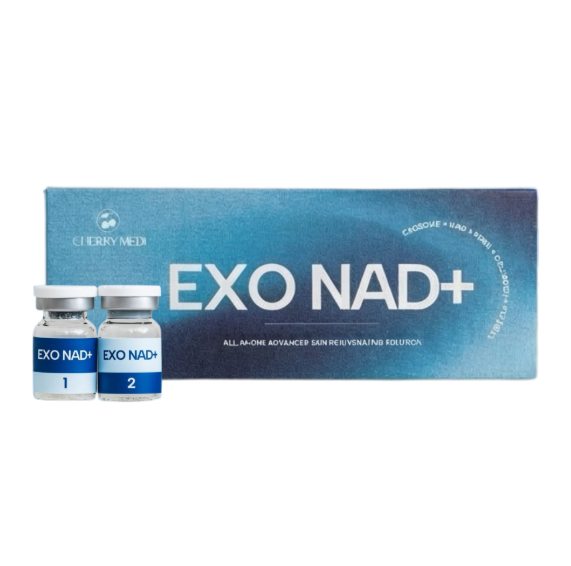
  • Plant EXO NAD+
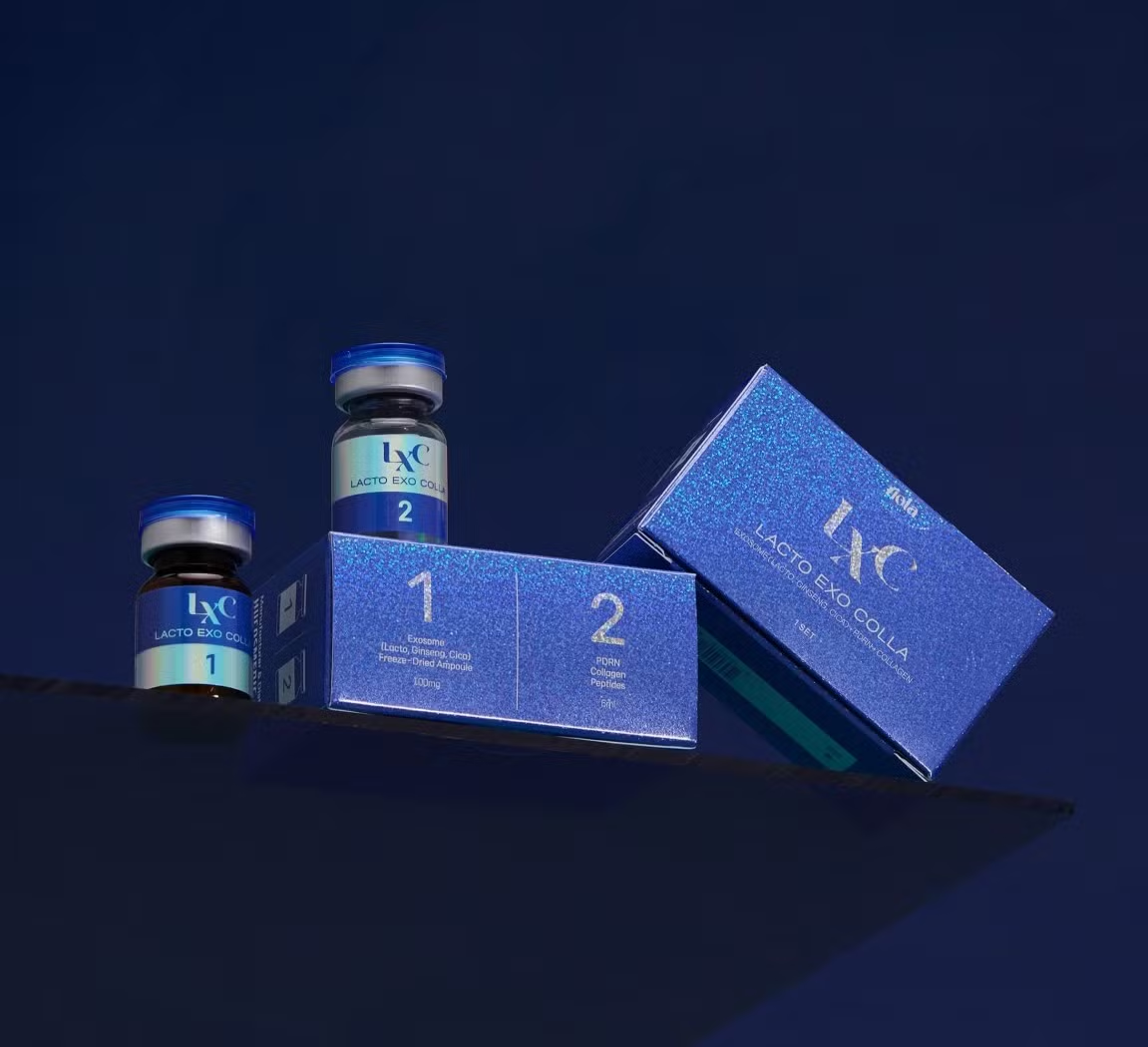
  • Plant LXC Lacto Exo Colla
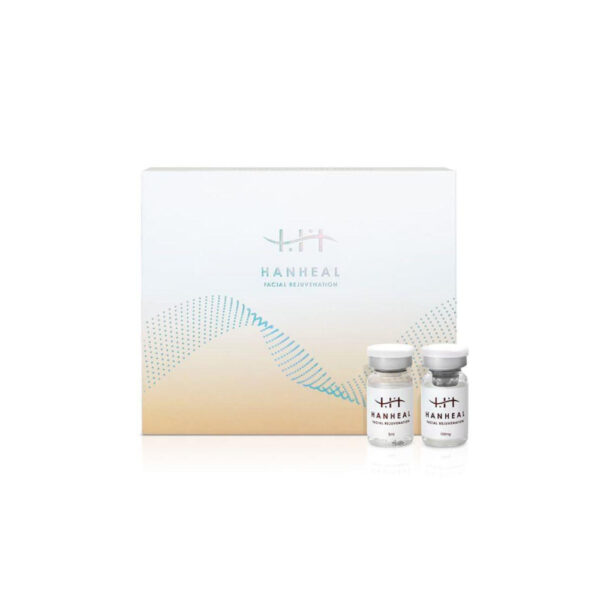
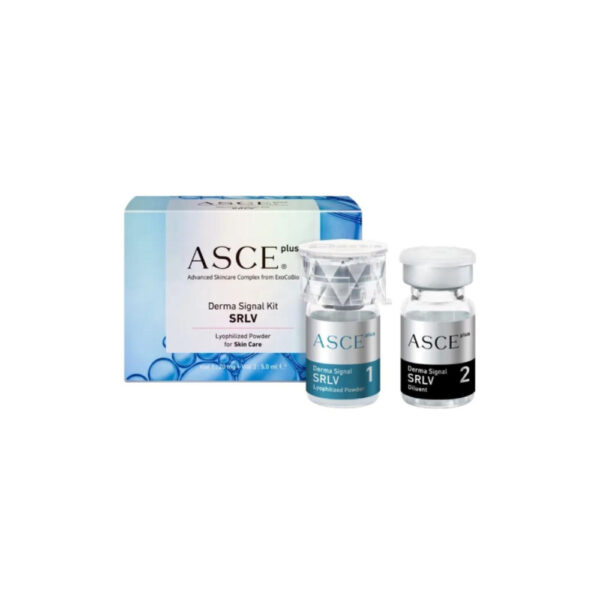
  • Human ASCE+ SRLV
Hair & Scalp Care

Hair & Scalp Care

Exosome-based products from Korean manufacturers focused on scalp vitality, follicular support, and hair-care workflows. Includes both plant-derived and human-derived categories.

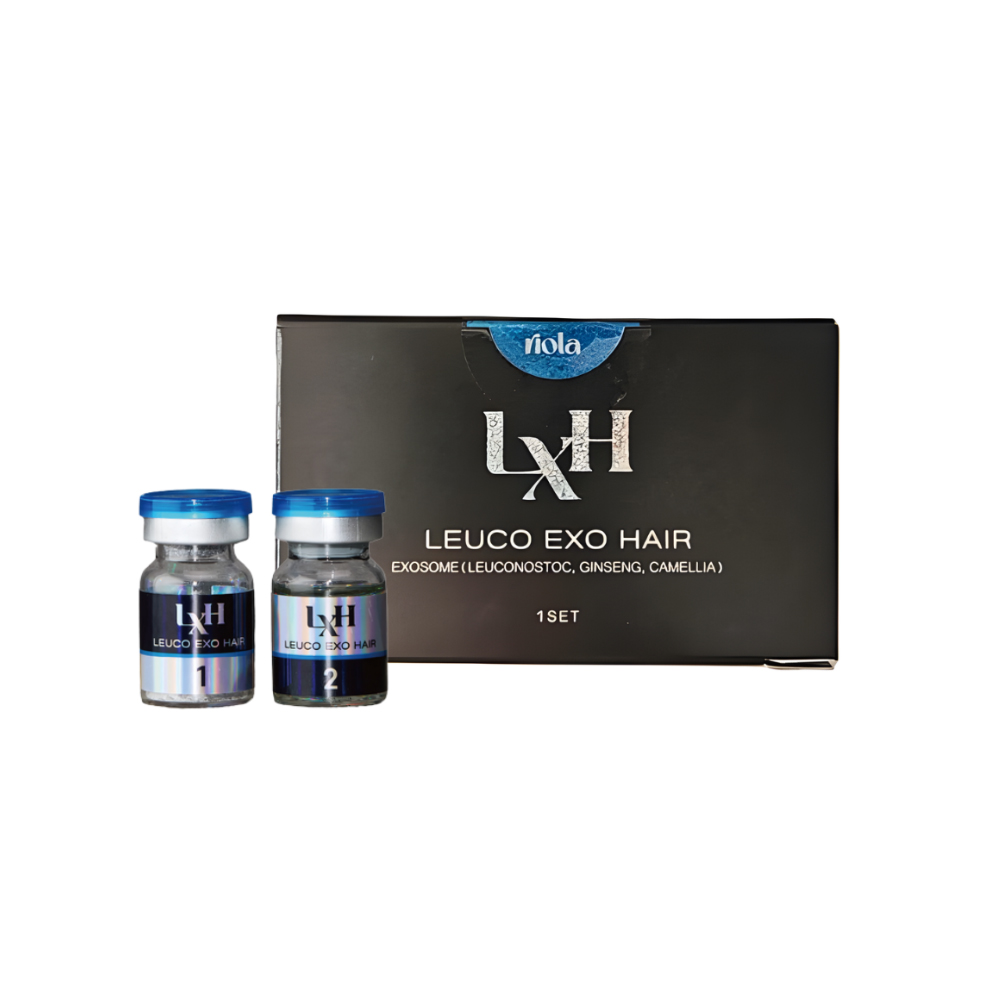
  • Plant LEUCO EXO HAIR
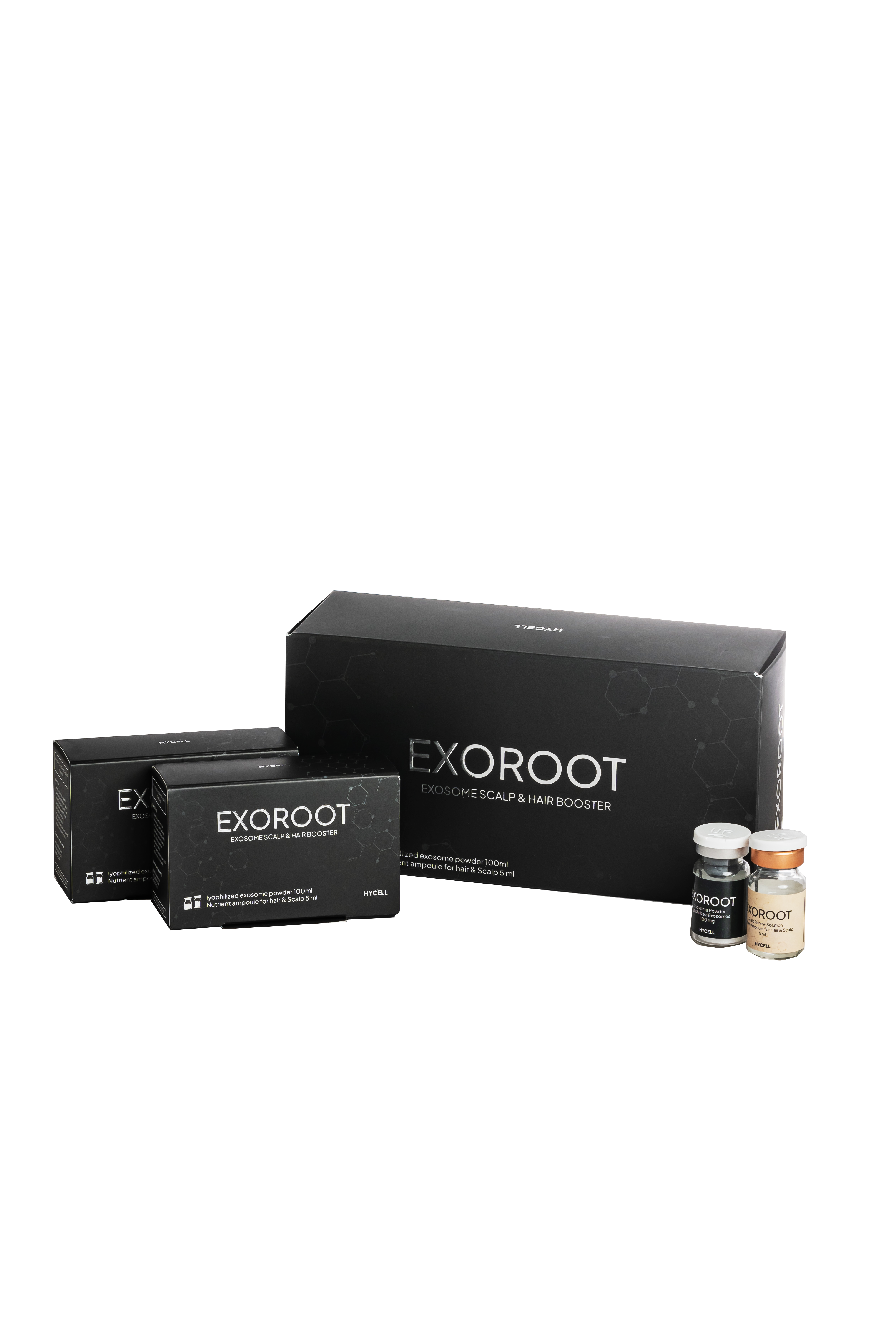
  • Plant EXO ROOT
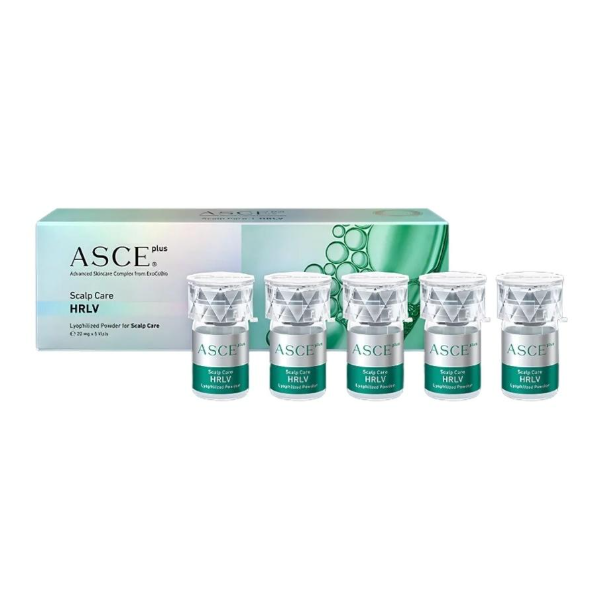
  • Human ASCE+ HRLV
By Source Type

Plant-Based or Human-Derived?

Understanding the source of exosome products helps professionals and informed consumers navigate the Korean exosome landscape with greater precision.

Plant-Based

Plant-Derived Exosome-Like Nanovesicles

Derived from plant sources and studied for biocompatibility, antioxidant potential, anti-inflammatory properties, and skin-delivery applications in aesthetic contexts.

  • Botanical origin โ€” rice, rose, stem cell cultures
  • Studied for antioxidant and anti-inflammatory potential
  • Skin delivery and hydration applications
  • Used in texture, radiance, and barrier-support contexts
Literature highlights significant open questions around standardization, purity, stability, and clinical translation. Evidence is emerging, not settled.
Explore Plant-Based โ†’
Human-Derived

Human-Derived Exosome Formulations

Sourced from human-origin cell systems, these products are widely discussed in regenerative aesthetics literature for their potential in skin rejuvenation and hair/scalp contexts.

  • Human cell-origin โ€” stem cell conditioned media
  • Discussed in wound healing and regeneration literature
  • Used in microneedling-related post-procedure contexts
  • Hair loss and scalp support applications
No exosome products are currently FDA-approved. Efficacy, safety, and regulatory maturity are still evolving. Claims should be interpreted accordingly.
Explore Human-Derived โ†’
Science Context

Why Exosomes Are Used in Microneedling-Related Workflows

Exosomes are being investigated in dermatology and aesthetic workflows for skin rejuvenation, post-procedure recovery support, scar contexts, and hair/scalp applications โ€” including use after procedures such as microneedling.

Interest in combining microneedling with topical exosome application is growing within professional aesthetic practice. The rationale centres on the potential for improved penetration and delivery in post-procedure skin states. The evidence base, standardization, and regulatory landscape are still evolving.

Editorial note: There are currently no FDA-approved exosome products. All descriptions on this site reflect investigational or professional-use positioning, not established medical claims.
Read the Full Guide โ†’

"Exosomes are being investigated across dermatology for skin rejuvenation, post-procedure recovery, and hair/scalp contexts โ€” including microneedling-related workflows. The field is growing, but evidence, standardization, and regulation are still evolving."

๐Ÿ”ฌ

Skin Rejuvenation โ€” Investigated for skin quality support, texture, hydration, and recovery in professional settings.

๐Ÿ’‰

Microneedling Context โ€” Interest in post-microneedling exosome application is growing as an emerging aesthetic workflow.

๐ŸŒฑ

Scalp & Hair โ€” Growing literature on exosome use in scalp-focused care, including microneedling-assisted protocols.

โš—๏ธ

Emerging Evidence โ€” Research is active. Extraction, dosing, standardization, and long-term safety data are areas of ongoing study.

Comparison

Plant-Based vs Human-Derived Exosomes

Two distinct categories of exosome products are represented in the Korean biotech aesthetic market. Understanding each helps with informed product selection.

Plant-Derived Exosome-Like Nanovesicles

Derived from botanical sources including rice, Damask rose, and plant stem cell cultures. Studied for biocompatibility, antioxidant activity, anti-inflammatory potential, and their ability to carry active compounds into skin layers. Represents the majority of the current Korean exosome aesthetic product landscape.

Literature highlights significant challenges around standardization, purity, stability, and clinical translation. These are an area of active investigation, not a settled category.
Explore Plant-Based Products โ†’

Human-Derived Exosome Formulations

Sourced from human-origin cell systems, typically stem cell conditioned media or similar platforms. Widely referenced in regenerative aesthetics and wound-healing literature. Used in both skin rejuvenation and hair/scalp care professional product categories.

The same literature warns clearly against overstating efficacy, safety, or approval status. No exosome products are currently FDA-approved. Claims must be made carefully.
Explore Human-Derived Products โ†’
Read the Science & Evidence Overview โ†’
Informed Navigation

Science, Quality & Product Selection

Exosome Korea is designed for professionals, practitioners, and informed consumers who want curated product access alongside honest scientific context.

๐Ÿงซ

What Exosomes Are

Exosomes are nanoscale extracellular vesicles โ€” tiny particles released by cells that carry proteins, lipids, and nucleic acids. In aesthetic skincare, they are investigated for their potential as delivery vehicles and biological signalling agents in skin and scalp contexts.

Learn More โ†’
โš–๏ธ

How to Compare Product Types

Korean exosome aesthetic products sit within the broader skin booster landscape โ€” alongside HA, PDRN/PN, growth factors, and regenerative-aesthetics actives. Source type, formulation depth, and use-case context all matter when comparing products.

Learn More โ†’
๐Ÿ“‹

Science & Evidence Overview

A transparent review of what dermatology literature supports, what remains under investigation, and what the regulatory landscape looks like for exosome products today. Essential reading for any professional or wholesale buyer.

Read the Overview โ†’
FAQ

Common Questions About Korean Exosome Products

Exosome products are a complex and fast-evolving category. These frequently asked questions are designed to give honest, evidence-aware answers.

View All FAQs โ†’
Exosomes are nanoscale extracellular vesicles โ€” tiny membrane-enclosed particles produced by cells. In aesthetic skincare, they are being investigated for their potential to support skin quality, barrier function, and recovery contexts. They are distinct from traditional actives and sit within a broader growing interest in regenerative-aesthetics ingredients.
An exosome skin booster is a professional-use product category within the broader skin booster landscape โ€” a category that also includes HA, PDRN/PN, growth factors, and related regenerative aesthetics actives. Exosome skin boosters are used in aesthetic skincare workflows for hydration, texture, and skin quality support.
Yes โ€” meaningfully so. Plant-derived exosome-like nanovesicles come from botanical sources and are studied for antioxidant and anti-inflammatory properties and skin-delivery potential. Human-derived exosomes are sourced from human cell systems and are more commonly referenced in regenerative medicine and wound-healing literature. Both categories present open questions around standardization, efficacy, and regulatory status.
The rationale centres on microneedling's ability to create microchannels that may enhance topical penetration. Interest in applying exosome formulations post-microneedling is growing within professional aesthetic practice for skin rejuvenation and scalp contexts. This is an emerging area of investigation โ€” not settled science.
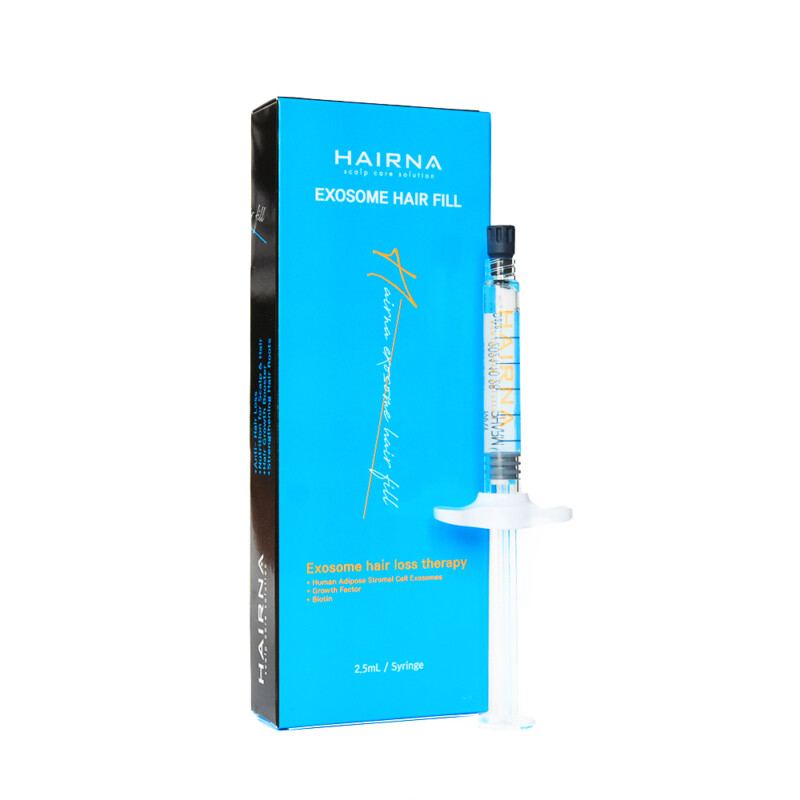
Hair and scalp-focused exosome products on this site include LEUCO EXO HAIR, Hairna Exosome Hair, and EXO ROOT (plant-based) and ASCE+ HRLV (human-derived). EXO ROOT is a professional two-step scalp rejuvenation treatment; ASCE+ HRLV is positioned as a premium scalp care solution for scalp rejuvenation workflows.
No. The FDA has clearly stated that there are currently no FDA-approved exosome products. The regulatory landscape for exosome products in aesthetics and medicine is still evolving globally. All products on this site are described in professional and investigational contexts only. This site does not make medical or therapeutic claims.

Clinic ยท Distributor ยท Wholesale

Looking for Korean Exosome Products for Your Clinic or Distribution Network?

Wholesale inquiries, clinic partnerships, and distributor access welcome. Reach out to discuss product availability, pricing, and sourcing from Korean manufacturers.