Plant-Based
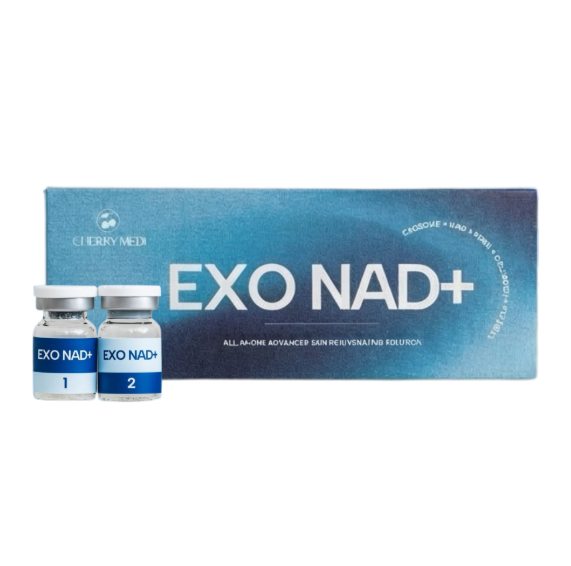
EXO NAD+
Korea's flagship all-in-one plant-based exosome skin rejuvenating solution with NAD+ complex.
View ProductA fifth-generation professional skin booster from CNB International Co., Ltd. (South Korea). LXC combines three distinct plant-origin exosome types — Lactobacillus, Panax Ginseng Callus, and Centella asiatica (CICA) — with H-PDRN from wild Alaskan salmon, atelocollagen, hydrolysed collagen, and a 7-peptide complex. Designed for MTS / microneedling-assisted delivery in professional aesthetic settings, with documented use for wrinkle reduction, hydration, elasticity, skin density, and pigmentation improvement.
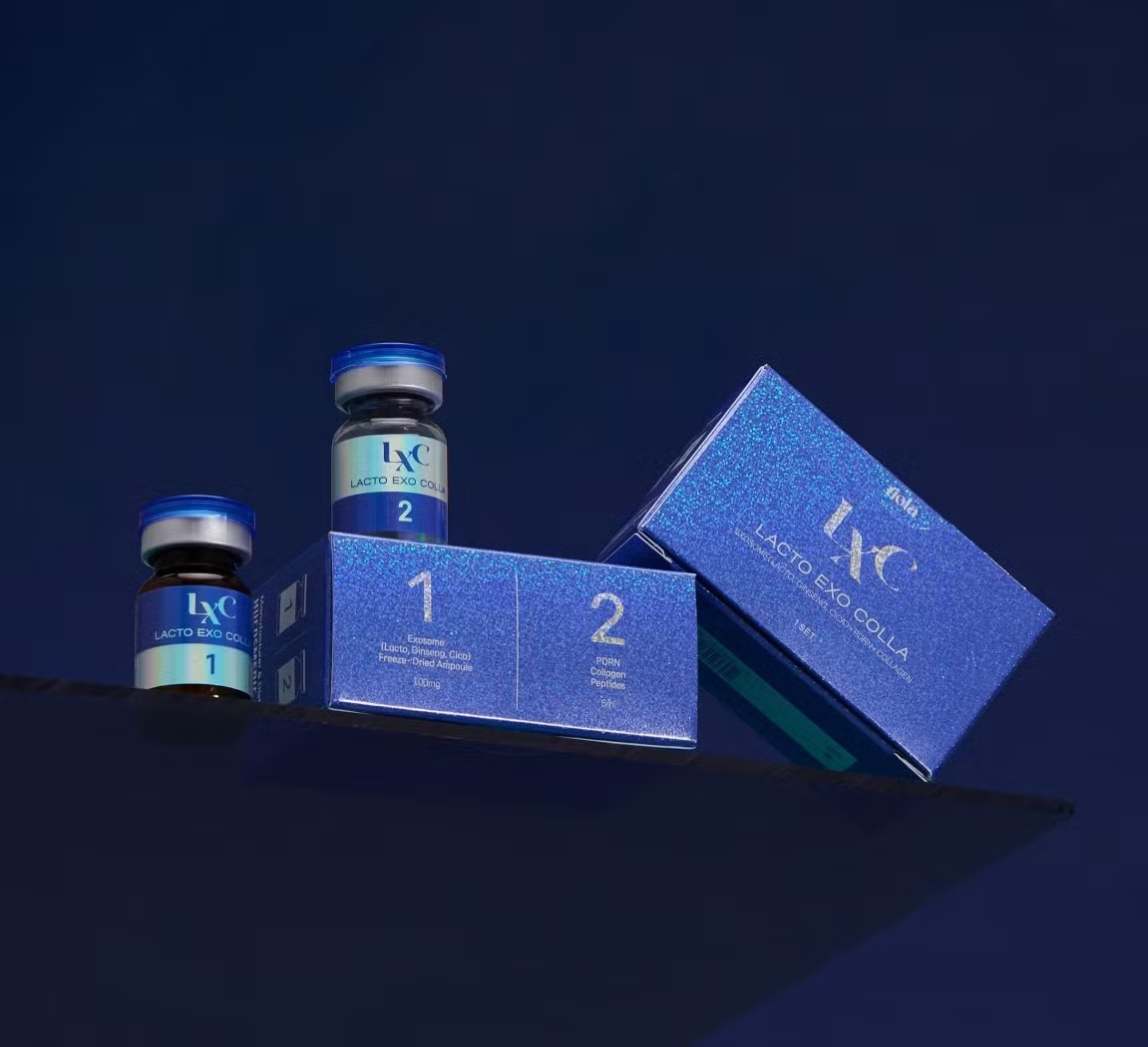
LXC Lacto Exo Colla is CNB International's fifth-generation skin booster. Its name maps directly to its three exosome sources and two collagen components: Lacto (Lactobacillus exosomes), Exo (exosomes — covering all three types), Colla (collagen: atelocollagen + hydrolysed collagen).
The product uses three plant-origin exosome types in a single lyophilised powder vial. This triple-exosome approach distinguishes LXC from single-source plant exosome products. Each exosome type carries a different active cargo profile — Lactobacillus for anti-ageing and pigmentation, Panax Ginseng Callus for collagen stimulation and UV protection, and CICA for regeneration and anti-inflammatory activity.
The solvent vial delivers H-PDRN (highly purified polydeoxyribonucleotide from wild Alaskan salmon), atelocollagen, hydrolysed collagen, 7 amino acid peptides including Acetyl Hexapeptide-8 and Palmitoyl Pentapeptide-4, tranexamic acid, and ascorbic acid. It is the most multi-active formulation in the plant-based range on Exosome Korea.
Regulatory note: LXC Lacto Exo Colla is a professional aesthetic product manufactured by CNB International Co., Ltd. It is not a pharmaceutical. It has not received FDA, EMA, or equivalent drug regulatory approval. There are currently no FDA-approved exosome products. Evidence maturity varies by active — H-PDRN and peptides have relatively established literature; exosome-specific evidence is emerging. For professional use only.
Korean aesthetic manufacturers use generational numbering as a marketing framework to describe the evolution of skin booster formulations. It is not a formal scientific classification.
1st Generation — HA Skin Boosters
Hyaluronic acid only. Hydration and volume. Established evidence base.
2nd Generation — PDRN / PN
Polynucleotides added. Tissue repair and anti-inflammatory support alongside hydration.
3rd Generation — Growth Factors
EGF, FGF, and related actives added. Cellular signalling dimension introduced.
4th Generation — Exosomes
Single exosome type added to established actives. Emerging delivery and signalling vehicle.
5th Generation — Multi-Active Exosome Complex (LXC)
Multiple exosome types (triple complex) combined with H-PDRN, collagen, and peptides in a single MTS-optimised product. LXC's position.
This generational framework is CNB International's marketing positioning, not a regulatory or scientific standard. It is useful for contextualising LXC within the Korean professional skin booster landscape.
LXC's defining feature is its triple plant exosome complex. Each source is distinct — different botanical origin, different active cargo profile, different primary skin benefit.
Exosomes derived from lactic acid bacteria. In LXC's formulation, Lactobacillus exosomes are positioned for anti-pigmentation activity, skin density improvement, and anti-ageing effects. Lactobacillus ferment lysate has an established record in topical cosmetics for microbiome and barrier associations. Its exosome form in an injectable professional product is an emerging application — evidence is preliminary relative to its topical use.
Exosomes from red ginseng callus cell culture. Panax Ginseng Callus Extracellular Vesicles are one of the more studied plant-origin exosome sources in Korean aesthetic formulations. Associated in the literature with collagen synthesis stimulation, skin renewal, bactericidal properties, and UV protection activity. Appears as a named INCI ingredient in several verified Korean professional skin boosters.
Exosomes derived from Centella asiatica callus culture. CICA has one of the strongest evidence bases of any botanical in dermatology — associated with wound healing, anti-inflammatory activity, collagen synthesis, and skin cell regeneration. A 2025 peer-reviewed study in MDPI Cosmetics evaluated CICA-derived extracellular vesicles in a topical clinical setting, finding zero irritation in 30 participants and measurable improvements in skin density, hydration, and pore characteristics at two weeks.
LXC uses the same dual-vial MTS format as other CNB International products. Vial 1 contains the lyophilised exosome payload; Vial 2 is the active solvent that reconstitutes it and delivers additional therapeutic actives.
Formulation note: The above reflects publicly available CNB International product literature, verified reseller listings, and distributor documentation. Full INCI list and concentration data should be confirmed with manufacturer documentation before clinical use. Batch specifications may vary. Always reference official CNB International product documentation for the specific variant being sourced.
Open the aluminium cap and remove the rubber stopper from both ampoules. Inject Vial 2 (solvent) into Vial 1 (freeze-dried exosome powder). Shake well until the lyophilised powder is completely dissolved. Use immediately after mixing — do not store the reconstituted solution.
Apply a sufficient amount of the reconstituted solution to clean skin. Wait 1–3 minutes to allow initial absorption before the MTS step.
Apply MTS (Micro-Needle Therapy System) over the treated area. The needling drives the reconstituted solution through temporary microchannels into the skin. Depth should be adjusted to skin thickness and treatment area.
Apply the solution again after the MTS pass for additional topical coverage of the post-needling skin surface. Follow manufacturer protocol documentation for specific quantities and technique.
Treatment interval: once every 2 weeks per manufacturer guidance. LXC must not be applied to wounded skin, active eczema, or dermatitis. Administer in professional clinic settings by trained practitioners only. Compatible with needle-free impact technology as an alternative delivery method.
CNB International references clinical research data for LXC across their official trade listings and distributor documentation. The data covers outcomes at 4 weeks of use.
Significant improvement in eye wrinkle depth and appearance at 4 weeks, per CNB International clinical documentation.
Significant improvement in skin hydration levels at 4 weeks.
Significant improvement in elasticity at 4 weeks.
Significant improvement in dermal density at 4 weeks.
Significant improvement in pigmentation at 4 weeks.
Data note: The clinical improvements cited above are from CNB International's own research documentation — they are not published peer-reviewed studies. This distinction matters. Do not present this data as independent clinical evidence on the product page. Describe it as manufacturer-reported internal data, and direct professional buyers to the manufacturer for full study methodology and documentation. This is the most defensible framing under both ethical and regulatory expectations.
Do not use LXC in the following situations, per CNB International manufacturer guidance:
LXC Lacto Exo Colla (This Product)
EXO NAD+ (Comparison)
LXC (Plant-Based)
ASCE+ SRLV (Human-Derived)
Korea's flagship all-in-one plant-based exosome skin rejuvenating solution with NAD+ complex.
View ProductCICA exosome + PDRN + atelocollagen dual-vial skin booster from CNB International's Riola brand for MTS workflows.
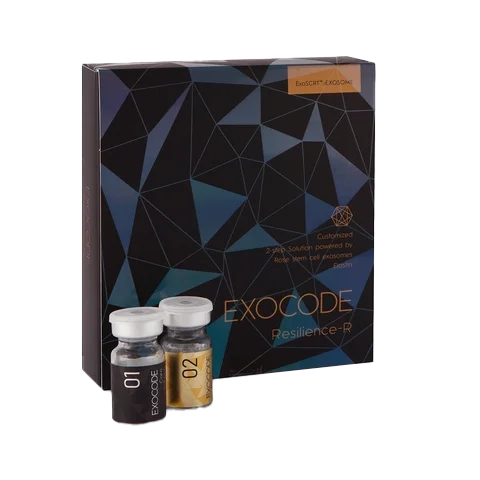
View ProductRosa Damascena ExoCoBio exosome formulation targeting elasticity and firmness. ExoSCRT™ technology.
View Product