Plant-BasedSkin
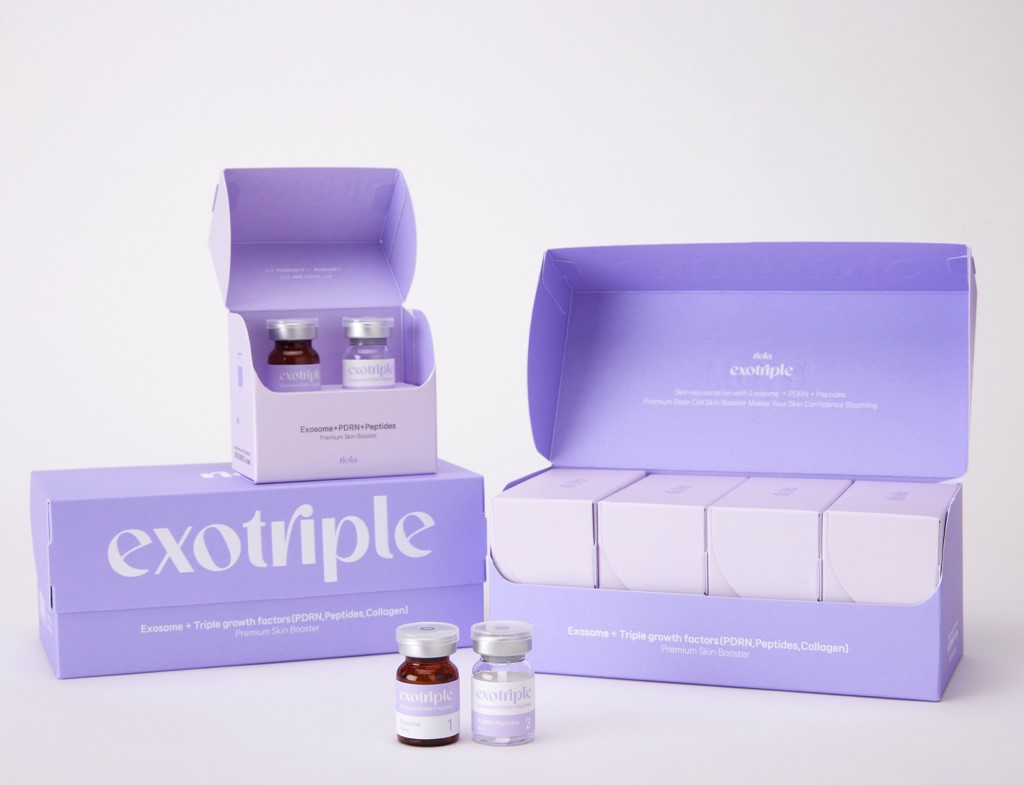
Exotriple
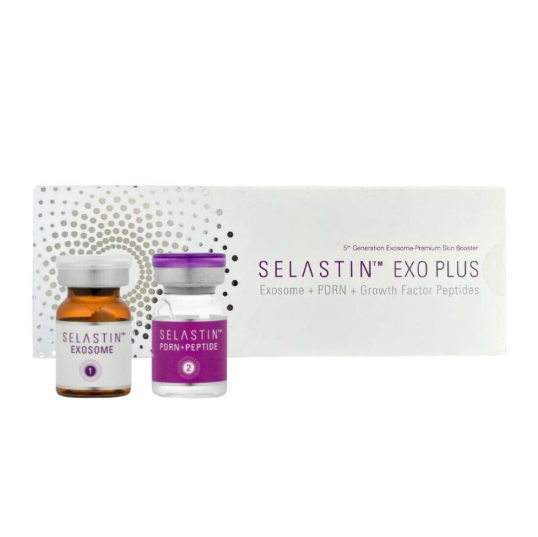
Dual-vial professional skin booster by CNB International (Riola). CICA plant exosomes, PDRN, and atelocollagen + peptides — designed for MTS-assisted delivery in professional aesthetic workflows.
View ProductA professional guide to Korean exosome products in microneedling-related aesthetic workflows — covering what microneedling exosomes are, why they attract growing interest, how skin and scalp use cases differ, and how Korean product categories fit this landscape.
In This Guide
"Microneedling exosomes" refers to the use of exosome-containing products in conjunction with microneedling procedures — either applied topically during or immediately after the microneedling treatment, or as part of a structured post-procedure protocol.
Exosomes are nanoscale extracellular vesicles produced by cells. They carry a cargo of proteins, lipids, nucleic acids, and signalling molecules. In aesthetic dermatology, they are being investigated as potential delivery vehicles and as biologically active agents that may support skin-quality outcomes.
Microneedling creates controlled microchannels in the skin surface. The professional rationale for combining microneedling with exosome application relates to the hypothesis that these microchannels may enhance penetration and delivery of topically applied actives — including exosome formulations. This rationale is shared across many classes of actives used in post-needling protocols.
Several factors are driving growing professional interest in microneedling exosome protocols:
Korean exosome products in microneedling-related contexts divide into two distinct use-case branches:
Products used post-facial microneedling are primarily positioned for skin quality support — including hydration, texture, barrier support, post-procedure recovery, and pigmentation concerns. In this context, exosome products are used alongside or instead of traditional post-needling serums or growth factor formulations.
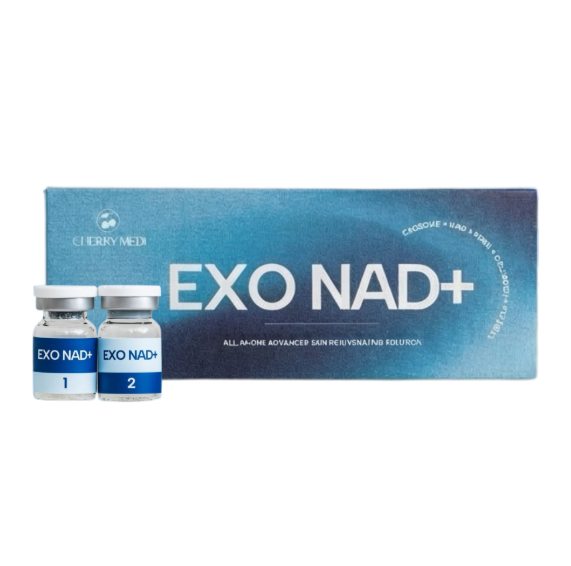
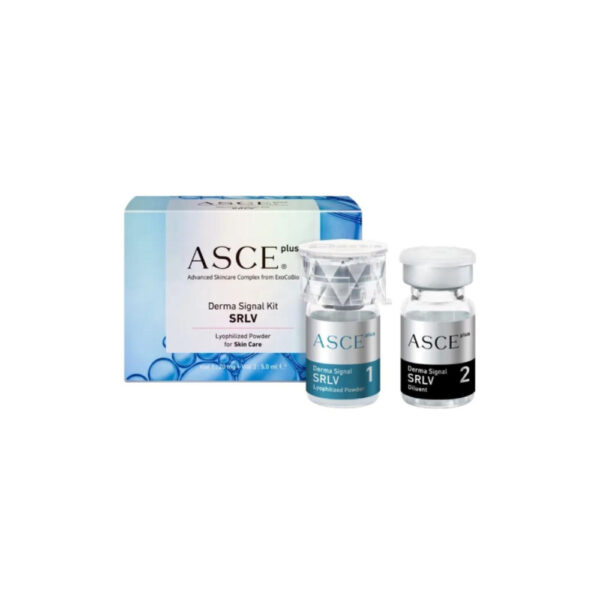
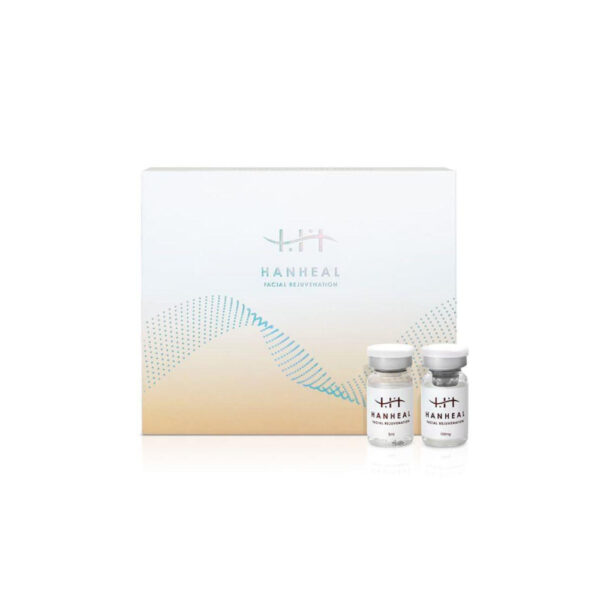
Relevant Korean products in this category include Exotriple (positioned specifically for microneedling workflow use), EXO NAD+ (all-in-one renewal), ASCE+ SRLV (human-derived skin rejuvenation), and Hanheal Exosome Facial Rejuvenation.
Scalp microneedling combined with exosome application represents a growing sub-segment within professional trichology-adjacent aesthetics. The scalp environment differs from facial skin — higher sebum production, distinct microbiome, dense follicle architecture — but the core delivery rationale of enhanced penetration post-needling applies similarly.
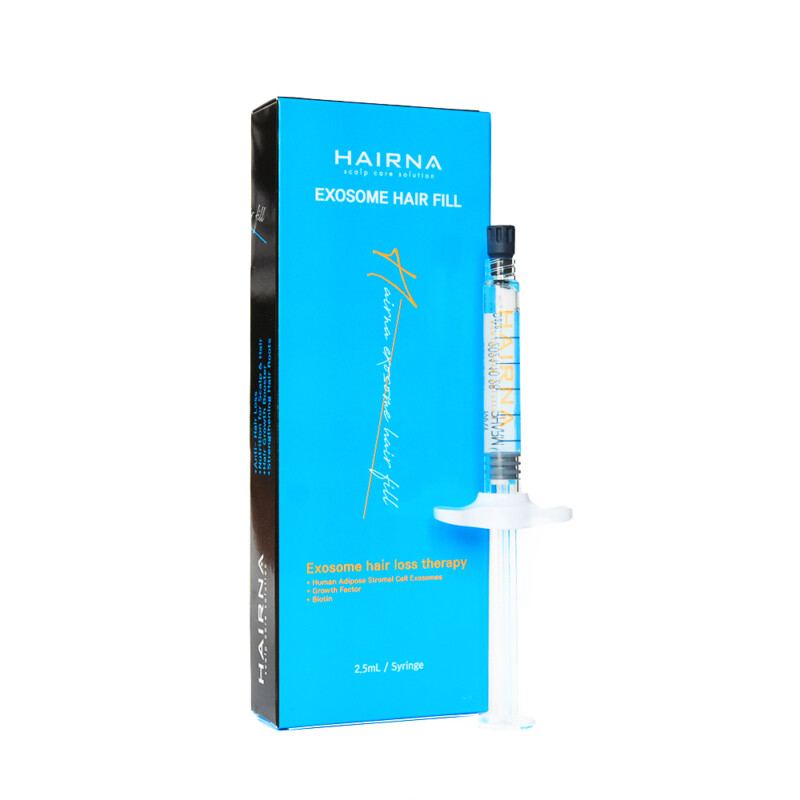
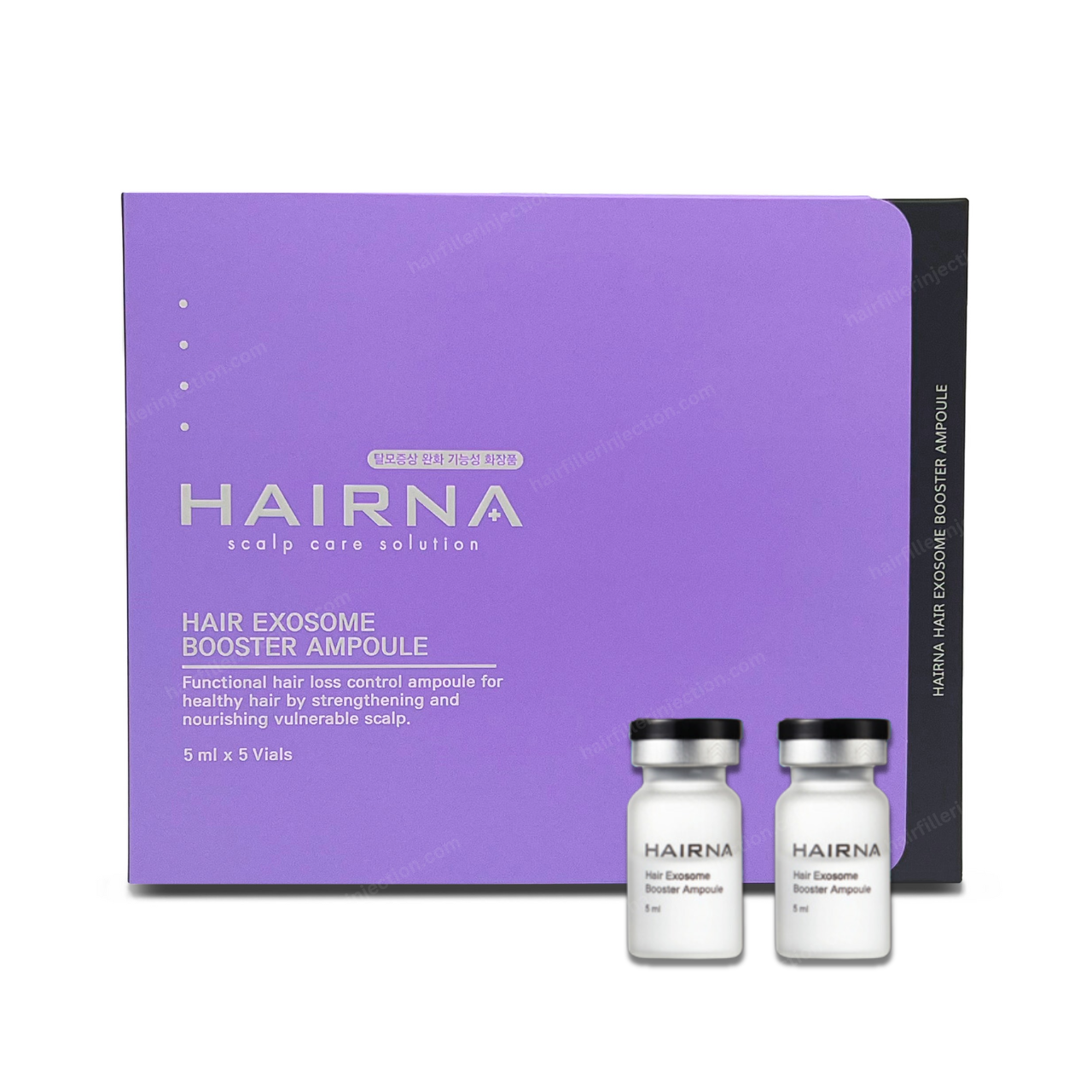
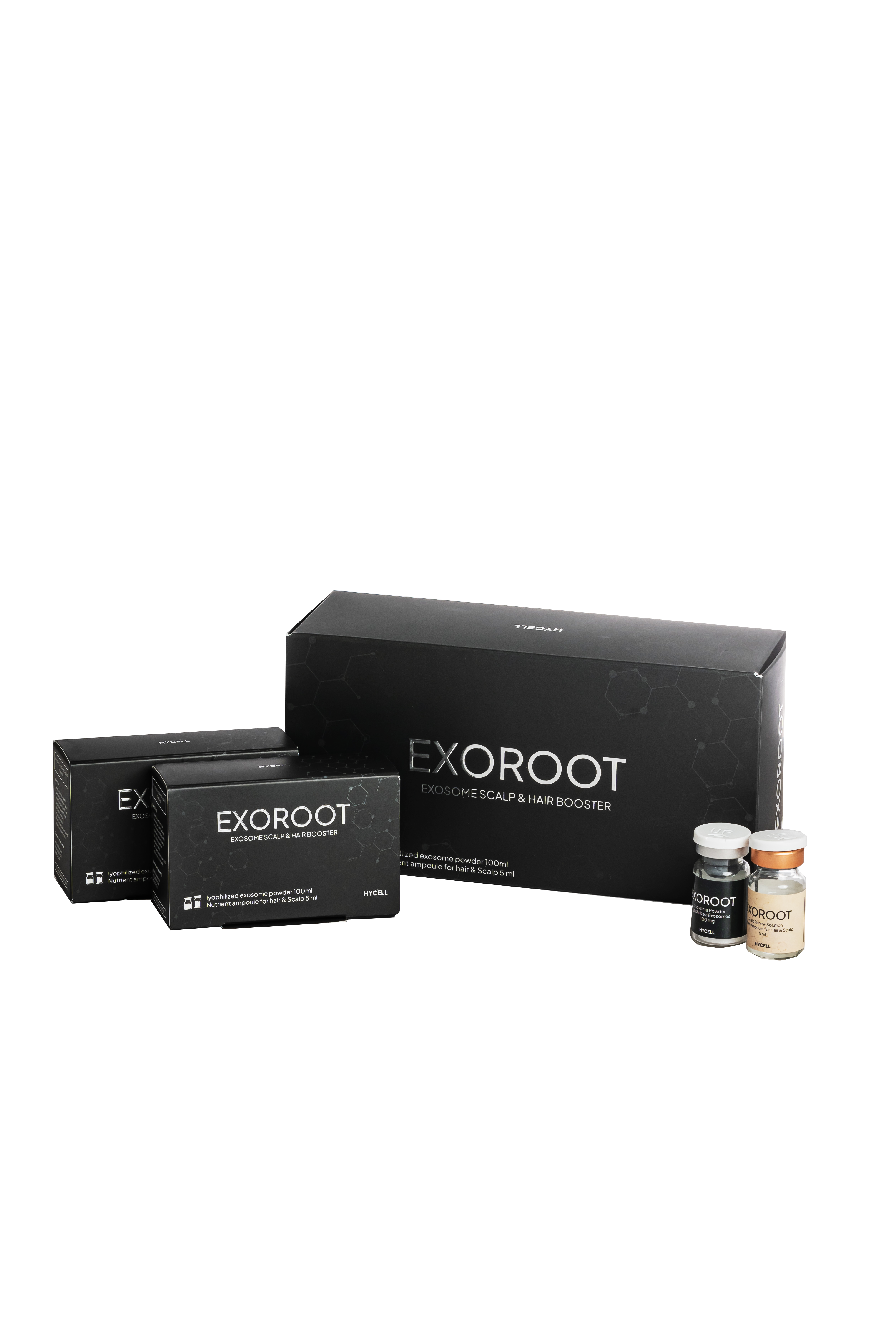
Hairna Exosome Hair Filler is positioned specifically for microneedling-assisted scalp protocols within the Korean exosome product range. EXO ROOT and ASCE+ HRLV Hair address the broader scalp care context.
Korean exosome products used in microneedling-related contexts span both source categories:
Plant-derived exosome-like nanovesicles studied for skin delivery potential, antioxidant activity, and anti-inflammatory properties. Used post-microneedling for skin quality, texture, and recovery support.
Human-origin exosome formulations referenced in regenerative aesthetics contexts. Used post-microneedling for visible skin rejuvenation outcomes and scalp support workflows.
The FDA has clearly stated that there are currently no FDA-approved exosome products. This applies to exosome products used in any aesthetic or medical context — including those used post-microneedling.
Peer-reviewed reviews in dermatology and aesthetic medicine consistently note the following open issues for the field:
This honest framing is intentional. The Korean exosome aesthetic product category is genuinely interesting, genuinely active, and genuinely evolving — and that framing is more durable than overclaiming.
Dual-vial professional skin booster by CNB International (Riola). CICA plant exosomes, PDRN, and atelocollagen + peptides — designed for MTS-assisted delivery in professional aesthetic workflows.
View ProductKorea's all-in-one plant-based exosome skin rejuvenating solution by Cherry Medi. Dual-vial formula with NAD+, PDRN 30,000 ppm, PN, collagen, 8 peptides, and glutathione.
View ProductPlant-based CICA exosome + H-PDRN booster by CNB International, where MTS (microneedling) is the primary delivery protocol. 7-peptide solvent for skin rejuvenation, barrier repair, and brightening.
View ProductHuman-derived exosome product used in post-microneedling skin rejuvenation protocols for skin quality support.
View ProductDual-component human dermal fibroblast exosome skin booster by BNC Global Korea Ltd. Used for intradermal mesotherapy and post-microneedling facial protocols.
View ProductHuman-derived exosome scalp booster by Maypharm Co., Ltd, positioned for microneedling-assisted scalp care and mesotherapy delivery workflows.
View Product40,000 ppm Human ASC-Exosome™ scalp ampoule by Maypharm Co., Ltd that ships with MTS microneedle caps — purpose-built for microneedle scalp delivery. Neuropeptide complex and barrier actives.
View ProductTwo-step human-derived exosome scalp treatment by Hycell, where MTS (Micro-Needle Therapy System) is the primary delivery method. 13 peptides, caffeine, and Zinc PCA for scalp vitality.
View ProductCommon professional questions about Korean exosome products in microneedling-related aesthetic workflows.
View all FAQs →